


1
Trademark Search
Start with a trademark search to identify obvious conflicts, similar marks, and filing risk before the application is submitted.
Kerui helps foreign brands understand China trademark registration, IP protection options, first-to-file risk, and partner-led filing options before market entry.
Trademark filing is coordinated through Kerui’s IP partner under Kerui’s project management, so you get a single point of contact while the filing itself is handled by a specialized IP firm.

Start with a trademark search to identify obvious conflicts, similar marks, and filing risk before the application is submitted.
Once the filing basis is confirmed, the application is prepared and submitted through the formal registration process.
The formality review stage usually takes around one month and focuses on whether the filing documents meet the basic formal requirements.
The substantive review stage usually takes around six to nine months and focuses on registrability, conflict risk, and the overall examination standard.
After passing examination, the mark enters a publication period of about three months for public notice and potential challenge.
If the process proceeds normally, the registration certificate is issued after the publication stage is completed.

China follows a first-to-file trademark system. Securing an early filing position matters more than prior business usage or brand recognition elsewhere.

A thorough search evaluates identical marks, cross-class conflicts, and transliteration risks to reduce filing risk across your relevant product and service categories.

Pre-filing searches help avoid rejections, reduce processing delays, and flag potential conflicts before they create legal or commercial problems.
Without early trademark registration in China, competitors or third parties may file first. Once registered, their position takes precedence and challenging it is a costly, uncertain process.
If a China trademark is not renewed and expires, the original registration does not carry over. The brand has to be filed again, and another party may apply for the same mark in the meantime.
Starting trademark registration at the same time as company formation or supplier engagement is the most effective way to protect the brand before commercial activity begins.
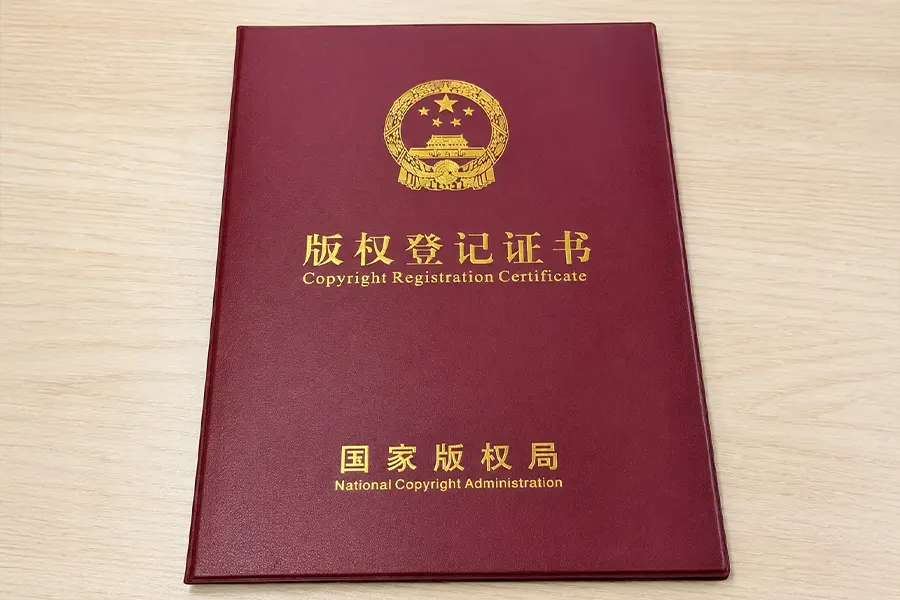
Copyright registration supports protection for creative works and can help document authorship and ownership in a clearer formal record.

Software copyright registration is relevant for digital products, systems, and software-related assets that need a clearer registration path in China.

Patent matters may involve invention patents, utility models, or design patents. Where patent filing is relevant, a qualified assessment is required to determine the most appropriate filing approach and strategy.

After trademark, patent, or copyright rights are properly recorded with customs through the relevant recordation process, infringing goods may be identified and stopped during customs control.
This protection measure is especially relevant for foreign brand owners that source from China, manufacture in China, or export products from China and need a more practical protection layer beyond registration alone.
Yes. Foreign individuals and foreign companies can apply for trademark protection in China through the appropriate registration process.
Yes. China trademark registrations are valid for ten years and must be renewed before expiration to maintain protection.
Further action may still be possible through opposition or other response measures, but the right path depends on the filing status, evidence condition, and the actual case background.
No. Trademark protection is territorial, which means protection applies according to the place of registration rather than automatically extending worldwide.
The overall timeline is typically 8-12 months from filing, depending on examination results, the publication period, and whether any challenges arise along the way.
Whether the business is preparing for China market entry, working with China suppliers, expanding cross-border sales, or launching a local entity, early brand protection planning helps reduce avoidable filing risk.
