


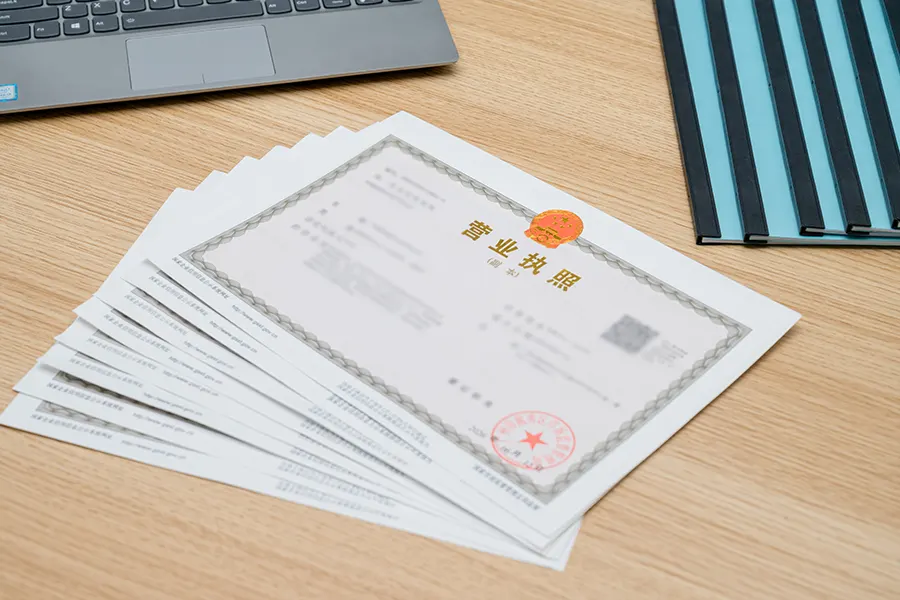
WFOEs Already Registered in China
Needs a stable system for filing, recordkeeping, and ongoing compliance maintenance.
Kerui helps foreign-owned companies and WFOEs stay operationally compliant after registration through bookkeeping, tax filing, invoice control, audit support, and routine maintenance.

Needs a stable system for filing, recordkeeping, and ongoing compliance maintenance.

Needs a clear post-registration compliance path for invoicing, tax filing, and account maintenance.

Needs regular bookkeeping, tax filing, and annual compliance support to keep the company operational rather than existing only on paper.

Needs a compliance framework that keeps business filings and staff-related obligations aligned.
Build a usable bookkeeping structure so records can support tax filing, invoices, and compliance review consistently.
Monthly filing duties include individual income tax and social contribution handling where the employment structure requires ongoing staff compliance.
Corporate income tax filing must be handled on schedule to maintain a normal compliance record through the year.
Clean invoice management keeps the company's tax records, transaction records, and operating files aligned.
Annual reporting and license maintenance keep the company's legal and operational status current.
Best practice: An abnormal tax condition disrupts operations, invites regulatory scrutiny, and complicates future filings, banking, and administrative matters.
Best practice: Missing cost invoices or transactional mismatches inflate tax liabilities and weaken the company’s ability to defend its records during audits.
Best practice: Poor compliance records can trigger additional bank reviews and, in serious cases, restrictions on operational accounts.
Best practice: Corporate compliance failures can create downstream complications for foreign founders and employees seeking work visa or residence renewals.
Best practice: Failing to update corporate records on time creates avoidable administrative complications and exposure to reporting penalties.

Keeps the company's records organized in a form that supports normal operation and compliance review.
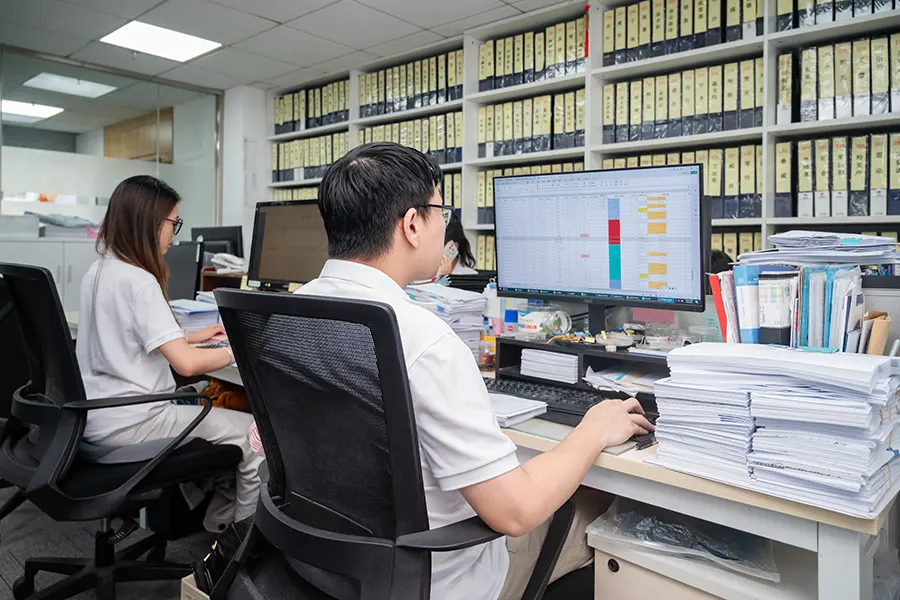
Covers routine filing responsibilities that must be handled consistently after registration.

Helps the company prepare for recurring annual review obligations as part of normal maintenance.

Keeps transaction records and filing practice aligned with the real business flow.

Covers routine tax guidance and structure review. In-depth cross-border tax planning is scoped as a tailored advisory service.
Manages ongoing bookkeeping, tax filing, invoice control, and annual audit support.
Explore ServiceEstablishes the legal entity structure correctly before post-registration compliance obligations begin.
Explore ServiceSecures lawful work permits and residence status backed by a clean corporate compliance record.
Explore ServiceNavigates corporate bank account setup and ongoing maintenance with full compliance backing.
Explore ServiceA missed filing can result in an abnormal tax status, which disrupts normal business operations and can affect banking, license renewal, and future visa-related matters for the company and its foreign staff.
Yes. A registered company in China is required to file tax returns regardless of whether there is any revenue or operating activity during the period.
Banks and immigration authorities may review the company's compliance profile when processing visa or residence permit renewals. An abnormal compliance record can complicate or delay these applications.
Yes. Small or micro status does not remove bookkeeping or tax filing duties in China. Monthly records and on-time filings are still required to keep a normal tax status, even when business volume is low. Kerui provides licensed bookkeeping and tax filing support; the final scope depends on the operating model and invoice volume.
A compliance check now surfaces tax filing pressure, invoice mismatches, annual maintenance backlog, banking review stress, and foreign-staff impact before they compound.
